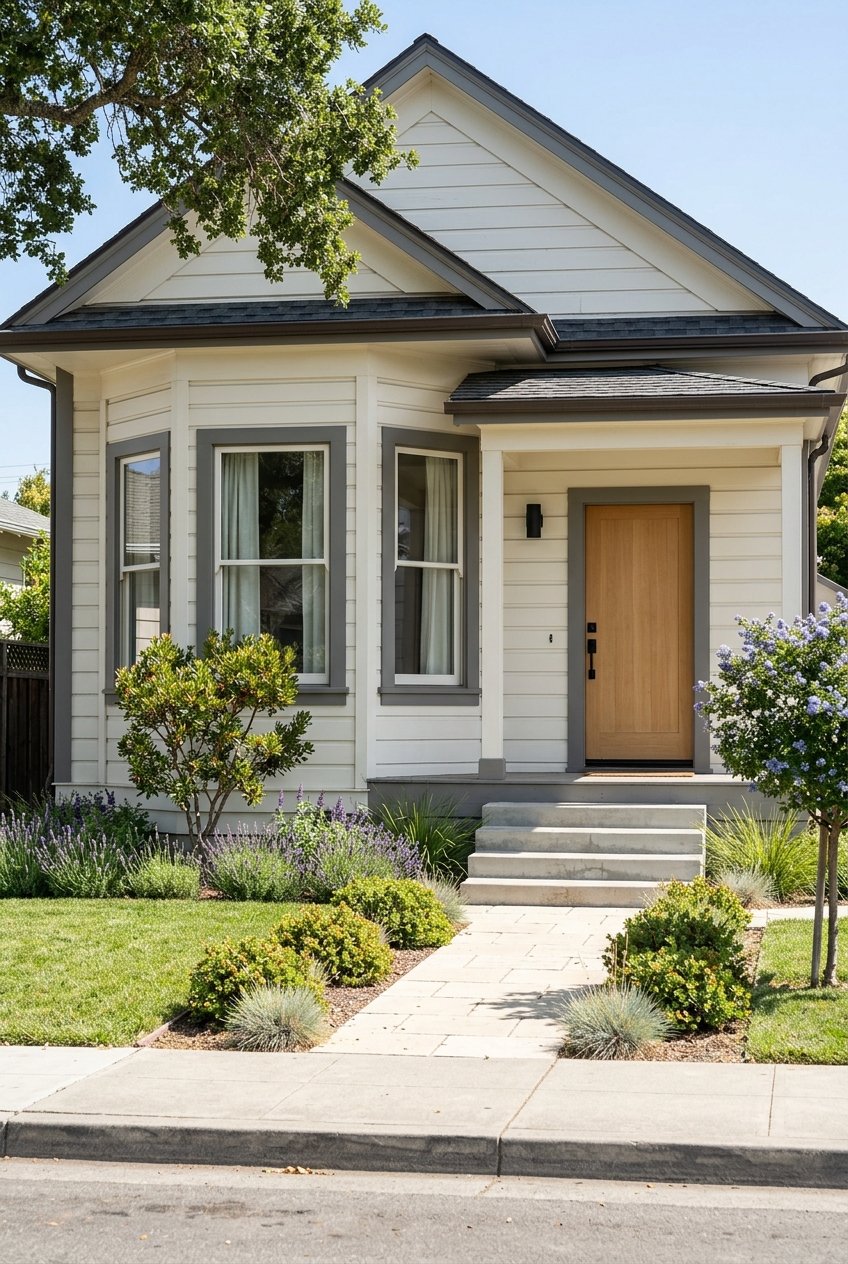
If you own an older home in Piedmont, getting ready to sell can feel like a balancing act. You want the home to show well, but you also do not want surprises late in escrow that slow the sale or weaken your negotiating position. The good news is that a strong pre-listing plan usually comes down to a few smart priorities: paperwork first, safety and inspection issues next, and cosmetic updates after that. Let’s dive in.
Start with Piedmont sale requirements
Older homes often come with a longer history of repairs, additions, and upgrades. In Piedmont, that makes it especially important to gather city-specific documents early, because missing records can become a problem once buyers start reviewing disclosures.
For a sale or transfer, the City of Piedmont requires a home energy assessment. The report must be prepared within the past five years, unless the home was built within the past ten years, and sellers must provide it to prospective buyers and to the City along with other disclosure documents. This step can also help you spot energy, comfort, or safety issues worth addressing before your home goes live.
Piedmont also requires a property records search and a sidewalk inspection when a property is sold. For older homes, the property records search is especially useful because it shows permit history and approved improvements. If your home has had additions, remodels, or system upgrades over the years, this can help you identify gaps before buyers do.
Check permits before repairs
It is tempting to jump straight into pre-sale fixes, especially if you already know the home needs work. In Piedmont, that can backfire if you start construction before confirming permit status.
The City notes that most construction projects and repairs require permits, and reviews can take weeks or months. Work done without a permit may need to be corrected and can lead to fines, so it is usually safer to verify what is already on record before scheduling contractors.
For older Piedmont homes, this matters most when past owners changed floor plans, enclosed space, updated electrical or plumbing, or added decks and garages. If something was done years ago without clear records, you want to know that before listing, not after a buyer has already invested in inspections.
Focus on the issues buyers notice first
When buyers look at an older home, they usually understand it may not be perfect. What tends to matter more is whether the home feels well maintained, honestly presented, and free of obvious deferred maintenance.
California’s Transfer Disclosure Statement applies to single-family residential transfers and covers the property’s physical condition along with known hazards or defects. Buyers also receive a Natural Hazard Disclosure Statement covering items such as earthquake fault zones, seismic hazard zones, fire hazard severity zones, and wildland fire areas.
That means your home will be looked at through both a practical and a disclosure lens. In older sales, buyers tend to focus quickly on roof condition, foundation and anchoring, drainage, electrical and plumbing systems, chimneys, decks, and garage areas.
The California Office of Emergency Services notes that homes built before 1980 can be more vulnerable because they predate modern seismic codes. It identifies common retrofit work such as foundation bolting, crawl-space bracing, chimney reinforcement, and garage strengthening. If your home falls into that age range, these are smart areas to review before listing.
Address safety items that are simple but important
Some of the easiest pre-listing fixes are also the ones that can create unnecessary friction if missed. These items may not be glamorous, but they are worth checking early.
California requires an operable smoke alarm in a sold single-family dwelling, and the seller must provide a written statement that the home is in compliance. Homes with a fossil-fuel heater or appliance, a fireplace, or an attached garage must also have a carbon monoxide device installed.
Water heater strapping is another key item. California requires existing residential water heaters to be braced, anchored, or strapped against earthquake movement, and the seller must certify compliance to the buyer.
These are small details compared with a roof or foundation issue, but they still affect how prepared your sale feels. A clean, organized file and a home that meets basic safety standards can help build buyer confidence from the start.
Plan carefully for pre-1978 paint
If your Piedmont home was built before 1978, lead-based paint rules matter. Federal law requires disclosure of known lead-based paint information, available records, an EPA pamphlet, and a 10-day opportunity for the buyer to inspect or assess lead hazards unless the parties agree otherwise.
This also matters if you are planning touch-ups before listing. Cosmetic repainting or patching in an older home can create lead dust, so any work should be planned with lead-safe methods in mind. If you are not sure whether lead-based paint may be present, it is wise to treat that question seriously before starting prep work.
Do not forget the sewer lateral
In Piedmont, a private sewer lateral inspection is triggered by the sale of the property. The property owner is responsible for the lateral, and any repair or replacement requires a building permit.
This is one of those issues that can be easy to overlook until escrow is underway. For an older home, checking sewer-related requirements early can save time and reduce the risk of rushed repairs once a buyer is already in contract.
Keep cosmetic work practical
Many sellers assume they need a major remodel to compete. For an older Piedmont home, that is often not the safest use of time or money.
A more practical strategy is usually to fix visible defects, improve cleanliness and light, and avoid a large renovation unless it is needed for safety, permits, or disclosure cleanup. That approach lines up with how buyers, inspectors, and the City review condition and paperwork before closing.
In most cases, the best return comes from straightforward improvements like:
- Paint touch-ups
- Repaired trim
- Working light fixtures and bulbs
- Clean floors and carpets
- Polished or tightened hardware
- Freshly cleaned windows
- Yard cleanup and basic landscaping tidy-up
These updates help your home feel cared for without creating the delays and uncertainty that can come with a major remodel. In a city where permit timelines matter, simple and well-executed usually beats ambitious and unfinished.
Consider wildfire-related prep
In Piedmont, curb appeal is not just about looks. It can also be tied to fire safety.
The City recommends keeping vegetation as far as five feet from the home where feasible, clearing roofs and gutters, removing dead plants and debris, and spacing plants away from structures and objects. Piedmont also offers no-cost wildfire inspections and recommends features such as ember-resistant vents, enclosed eaves, a Class A roof, and multi-paned windows for harder-to-ignite homes.
If your property has dense landscaping or sits in a fire-sensitive area, wildfire hardening may be worth reviewing before listing. The City notes these improvements may also help homeowners with insurance through California’s Safer from Wildfires program.
A smart prep sequence for sellers
When you are deciding where to spend money before listing, order matters. The strongest approach for most older Piedmont homes is to deal with paperwork and risk items before cosmetic extras.
A practical sequence looks like this:
- Gather the required Piedmont documents, including the home energy assessment, property records search, and sidewalk-related requirements.
- Review permit history before starting repairs.
- Check likely buyer hot spots such as the roof, foundation, drainage, electrical, plumbing, chimney, decks, garage, and sewer lateral.
- Confirm smoke alarms, carbon monoxide devices, and water heater strapping are compliant.
- Handle pre-1978 paint concerns carefully if the home is old enough.
- Use the remaining budget on visible cleanup and cosmetic refreshes.
This order helps you avoid putting fresh paint over a deeper issue that still needs to be disclosed or corrected. It also supports a smoother listing launch, cleaner disclosures, and fewer surprises once inspections begin.
Why this approach can strengthen your sale
Older Piedmont homes often have character, craftsmanship, and long-term appeal. But buyers still want clarity. They want to understand what has been maintained, what has been updated, and whether the seller has taken the process seriously.
When you prepare the paperwork early, address obvious safety and utility issues, and keep cosmetic work focused, you put yourself in a better position. You reduce the odds of delays, help buyers feel more confident, and give your home the best chance to stand out for the right reasons.
If you are getting ready to sell an older Piedmont home and want a calm, practical plan, Ronnie Oatis can help you prioritize the work that matters most and avoid the last-minute issues that can slow a sale.
FAQs
What documents are required to sell an older Piedmont home?
- For a sale or transfer in Piedmont, sellers need a home energy assessment, and the City also requires a property records search and a sidewalk inspection.
What repairs matter most before listing a Piedmont home?
- The biggest priorities are usually visible defects and inspection-sensitive items like roof condition, foundation or anchoring, drainage, electrical, plumbing, chimneys, decks, garage areas, and sewer lateral concerns.
Does a Piedmont seller need to check permit history before repairs?
- Yes. Piedmont requires permits for most construction projects and repairs, and unpermitted work may need correction and can result in fines.
What safety items are required when selling a single-family home in California?
- Sellers should confirm operable smoke alarms, required carbon monoxide devices, and proper water heater bracing or strapping, then provide the required compliance certifications.
Should you remodel an older Piedmont home before selling?
- Usually, a focused approach works better: handle paperwork, permit or safety issues, and visible defects first, then spend remaining budget on light cosmetic improvements rather than a major remodel.
What should sellers know about pre-1978 Piedmont homes?
- If the home was built before 1978, sellers must follow lead-based paint disclosure rules, and any repainting or patching should be planned with lead-safe methods in mind.