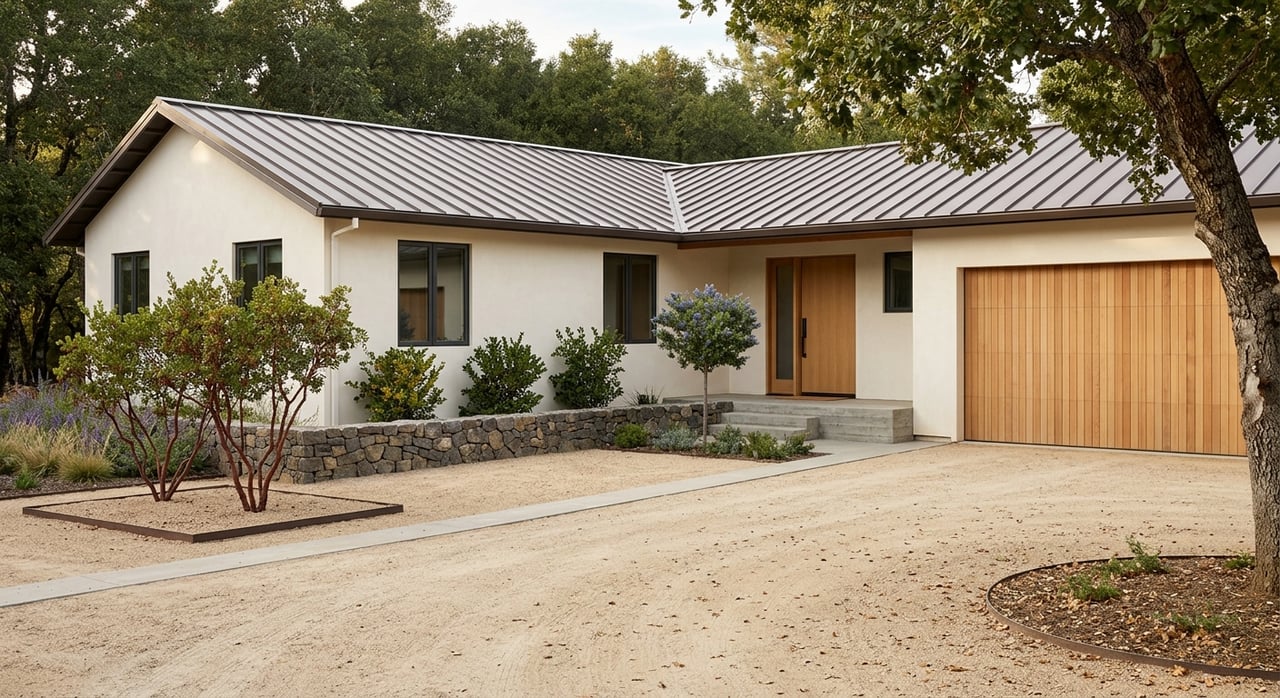
Thinking about buying land in Sunol? A rural home or acreage can offer space, privacy, and a different pace of life, but it also comes with a very different checklist than a typical suburban purchase. If you are looking in Sunol, you need to understand how water, septic, wildfire exposure, road access, and financing can affect both your day-to-day ownership and your ability to close on the property. Let’s dive in.
Why Sunol Buying Is Different
Sunol is an unincorporated rural community in Alameda County, which means county agencies handle many of the services and permits you might expect a city to manage elsewhere. According to the Sunol Citizens Advisory Council and Alameda County information, Sunol falls under county-level oversight for many local issues.
That matters because rural property due diligence often goes beyond the house itself. You are not just evaluating square footage and condition. You are also looking at how the property gets water, handles wastewater, provides legal access, and fits within lender and fire-safety standards.
Start With County-Level Due Diligence
For many Sunol properties, future improvements may require county review rather than city approval. The Alameda County Public Works Agency permit portal handles permits for unincorporated areas, including building-related work, encroachments, and well or drilling permits.
If you are considering additions, grading, driveway work, a new well, or other site changes, it is smart to check early what approvals may apply. That simple step can help you avoid surprises after closing.
Ask How the Parcel Is Classified
Rural parcels can raise questions that do not usually come up with standard tract homes. In some cases, financing may depend on whether the property functions as a straightforward residential home or has characteristics that look more like agricultural or land-development use.
Fannie Mae guidance on neighborhood and property analysis makes clear that appraisers and lenders must evaluate the entire parcel, not just part of it. If the land use or acreage is outside the neighborhood norm, that can affect loan eligibility and appraisal treatment.
Check Water Supply Early
Water is one of the first things to verify when buying a rural home in Sunol. Some properties may rely on private wells rather than a public water system, and that changes your due diligence.
The CDC’s private well safety guidance explains that private wells are not regulated, treated, or routinely monitored by public officials. Owners are responsible for maintenance and should test well water at least once a year. The EPA also directs well owners to use state-certified laboratories.
Understand Zone 7 Well Oversight
In Sunol and eastern Alameda County, Zone 7 Water Agency administers the county well ordinance for drilling-related permits. New wells, well destruction, and casing reconstruction require permits before work begins, and a well completion report must be filed within 60 days.
For you as a buyer, that means it is worth confirming whether the current well was properly permitted and whether documentation is available. If a property depends on a private well, ask about water quality testing, production history, and any prior well work.
Confirm Sewer or Septic Status
Wastewater is another major issue for rural properties. If the home is not connected to public sewer, you need to know the condition and documentation status of the onsite wastewater treatment system, often called an OWTS or septic system.
Alameda County Environmental Health oversees the county’s OWTS program and coordinates septic permitting with the regional water board. The county also notes that it can review production rates and water quality for certain private residence production wells and issue letters of acceptance when systems meet current standards.
Why Older Septic Systems Need Extra Review
If the septic file is incomplete, older systems can become more complicated. Alameda County materials show that sites without complete OWTS documentation may need as-built plans and a performance evaluation before repair or replacement approval can move forward, as outlined in the county’s OWTS performance evaluation and as-built approval process.
That is why it helps to ask for:
- Existing permits
- As-built plans
- Pumping and maintenance history
- Prior repair records
- Any county letters related to approval or acceptance
If those records are missing, you may need more investigation before removing contingencies.
Review Wildfire Hazard by Address
Wildfire planning is a major part of buying in a rural area like Sunol. Not every parcel is the same, so you should confirm the property’s exact fire hazard designation by address.
CAL FIRE’s fire hazard severity zone maps show hazard, not risk, based on factors such as vegetation, topography, climate, ember movement, and fire history. The maps are designed to reflect the likely fire environment over a multi-decade horizon.
Know the Defensible Space Rules
The Alameda County Fire Department defensible space program conducts inspections in very-high-fire-severity zones in unincorporated Alameda County. California also requires defensible-space disclosure in certain residential sales located in high or very high fire hazard severity zones.
ACFD describes three basic defensible-space zones:
- 0 to 5 feet: ember-resistant materials near the building
- 5 to 30 feet: lean, clean, and green vegetation management
- 30 to 100 feet: fuel reduction
On acreage, this can translate into ongoing brush removal, tree limb pruning, and landscape management costs. It is better to understand that upfront than to discover it after closing.
Evaluate Road Access and Fire Standards
Access can be a bigger issue than many buyers expect. A long driveway or private road may affect safety, insurance, future permitting, and financing.
Alameda County Fire Department development guidelines state that fire apparatus access roads generally need at least 20 feet of unobstructed width, all-weather driving capability, and compliance with clearance and grade standards. The same development guidelines also note that dead-end access roads over 150 feet need a turnaround in LRA, and that gates, bridges, and address markers have their own standards.
Private Roads Need Legal Clarity
If the home sits on a privately owned or privately maintained road, legal access matters just as much as physical access. Fannie Mae site guidelines require an adequate, legally enforceable maintenance agreement or covenant for private roads.
In plain terms, you should confirm:
- Who owns the road
- Whether easements are recorded
- Who maintains the road
- Whether there is a written maintenance agreement
Those details can become critical once your loan file goes into underwriting.
Plan for Insurance and Fire-Related Costs
CAL FIRE notes that hazard maps do not determine insurance rates or availability. Still, wildfire mitigation and access can affect insurability and ownership costs, especially on rural parcels.
That is why asking for an insurance quote early in your contingency period is a practical move. It can help you understand cost, coverage options, and whether the property raises any concerns with carriers before you are too far into escrow.
Understand Acreage Financing Limits
Not every rural property fits neatly into a standard residential loan box. Acreage size, private utilities, road access, and mixed-use features can all affect financing.
The USDA Section 502 Guaranteed Loan Program may offer 100% financing for eligible rural-area primary residences. USDA states there are no set acreage limits, but the property must be in an eligible rural area, owner-occupied as a primary residence, and not income-producing.
Conventional Loans Can Be More Selective
For conventional financing, lenders tend to look more closely at whether the parcel is typical for the area and whether it remains clearly residential in character. Fannie Mae guidance says loans on agricultural-type properties, undeveloped land, or land-development-type properties are not eligible for purchase or securitization.
Fannie Mae also says lenders should use appraisers with knowledge of the specific location and property type, according to its appraiser selection criteria. In Sunol, that can affect appraisal timing, comparable sales, and how the property is evaluated.
Build the Right Inspection Team
A standard home inspection is important, but it is usually only the starting point for a Sunol acreage purchase. Depending on the property, you may also need professionals who can evaluate systems and site conditions beyond the house itself.
Based on Alameda County guidance and the realities of rural transactions, your due-diligence team may include:
- A septic or OWTS consultant
- A well contractor
- A state-certified water testing lab
- A land surveyor
- A civil or geotechnical engineer when needed
Alameda County Environmental Health notes that work involving drainage, water supply, purification, grading, slope stability, or land surveying as part of OWTS design must be done under the direction of a licensed civil engineer or land surveyor.
Questions to Answer Before Removing Contingencies
If you are serious about buying a rural home or acreage in Sunol, these are the core questions to answer before you move forward:
- Is the property on public water or a private well?
- Is it connected to sewer or does it use septic?
- Are permits and records available for those systems?
- Are recorded easements in place for access and maintenance?
- Does the road appear to meet fire access standards?
- Is the property in a high or very high fire hazard severity zone?
- Will the available loan options treat the property as a standard residential home?
The more clearly you can answer those questions, the more confidently you can evaluate the property.
Buying rural property in Sunol can be rewarding, but it calls for a more disciplined review than a typical neighborhood purchase. When you take the time to verify utilities, access, fire considerations, and financing fit, you put yourself in a much stronger position to make a smart decision. If you want steady guidance through that process, connect with Ronnie Oatis for a free consultation.
FAQs
What should you check first when buying acreage in Sunol?
- Start by confirming water source, sewer or septic status, road access, wildfire hazard zone, and whether the property fits standard residential financing guidelines.
How do private wells affect a Sunol home purchase?
- If a Sunol property uses a private well, you should review permit history, ask about production and water quality, and consider water testing through a state-certified lab because private wells are owner-responsibility systems.
Why does septic documentation matter for rural homes in Sunol?
- Septic records matter because missing permits, as-builts, or performance documentation can complicate repairs, replacement approval, and your understanding of the system’s condition.
How can wildfire rules affect buying a home in Sunol?
- Wildfire rules can affect disclosure requirements, defensible-space maintenance, insurance planning, and the overall cost of owning and maintaining the property.
Can you use conventional financing for a rural Sunol property?
- Sometimes, yes, but conventional financing may be more sensitive to large parcels, mixed-use characteristics, private roads, and whether the property is clearly residential rather than agricultural or development-oriented.
Are private roads a problem when buying a home in Sunol?
- Private roads are not always a problem, but you should confirm legal access, recorded easements, and maintenance responsibility because lenders may require enforceable maintenance agreements.