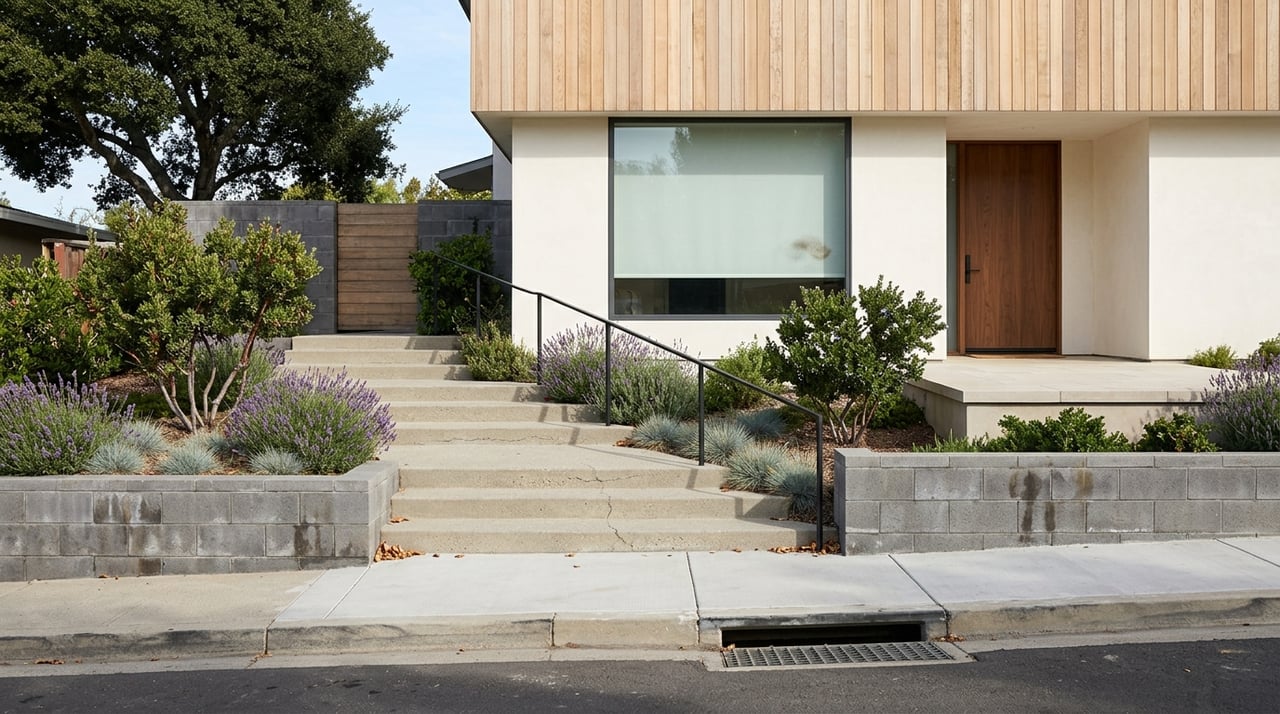
If you are searching in Oakland, one location choice can shape almost everything else: the hills or the flats. Your budget, commute, home style, and even the risks you need to review can look very different depending on which side of that divide you land on. If you are comparing areas in and around 94619, this guide will help you understand what changes with location so you can search with more clarity. Let’s dive in.
Why the hills-vs-flats choice matters
Oakland officially describes the city as roughly two-thirds flat plain and one-third foothills and hills, which helps explain why locals still use the terms “the flatlands” and “the hills” as a practical shorthand. As one local reference point, the city places Redwood Heights Recreation Center in 94619 and identifies it as part of the Oakland hills.
That simple location difference affects more than scenery. In broad terms, the hills often bring more detached homes, sloped lots, and a more car-oriented routine, while the flatter parts of Oakland tend to feel denser, more urban, and more connected to transit and mixed-use corridors. Oakland’s planning code for neighborhood centers supports walkable hubs with housing, commercial uses, and transit access, which helps explain why the flats often function differently day to day.
How price changes by location
For many buyers, price is the first big reality check. According to Redfin’s February 2026 housing data for 94619, the median sale price was $875,000 and median days on market were 19.
By comparison, the research report notes that 94607 posted a median sale price of $469,000 and 84 days on market during the same period. That is a $406,000 difference, or about 86.6% higher in 94619, with 94619 also showing a higher median price per square foot at $615 versus $454.
What does that mean for your search? If you are focused on hill areas like parts of 94619, you may need to move faster and budget for stronger competition. Redfin classifies 94619 as very competitive, while 94607 is labeled somewhat competitive, so location can affect both affordability and how quickly you need to make decisions.
What kinds of homes you may find
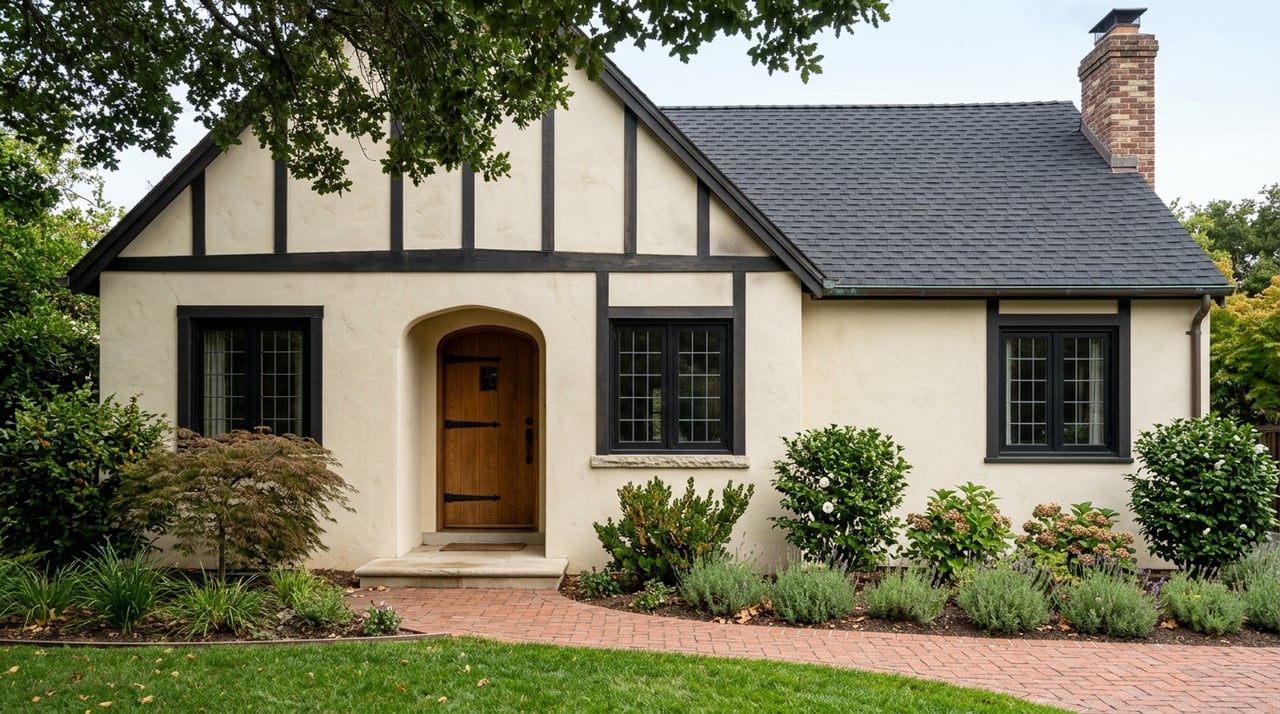
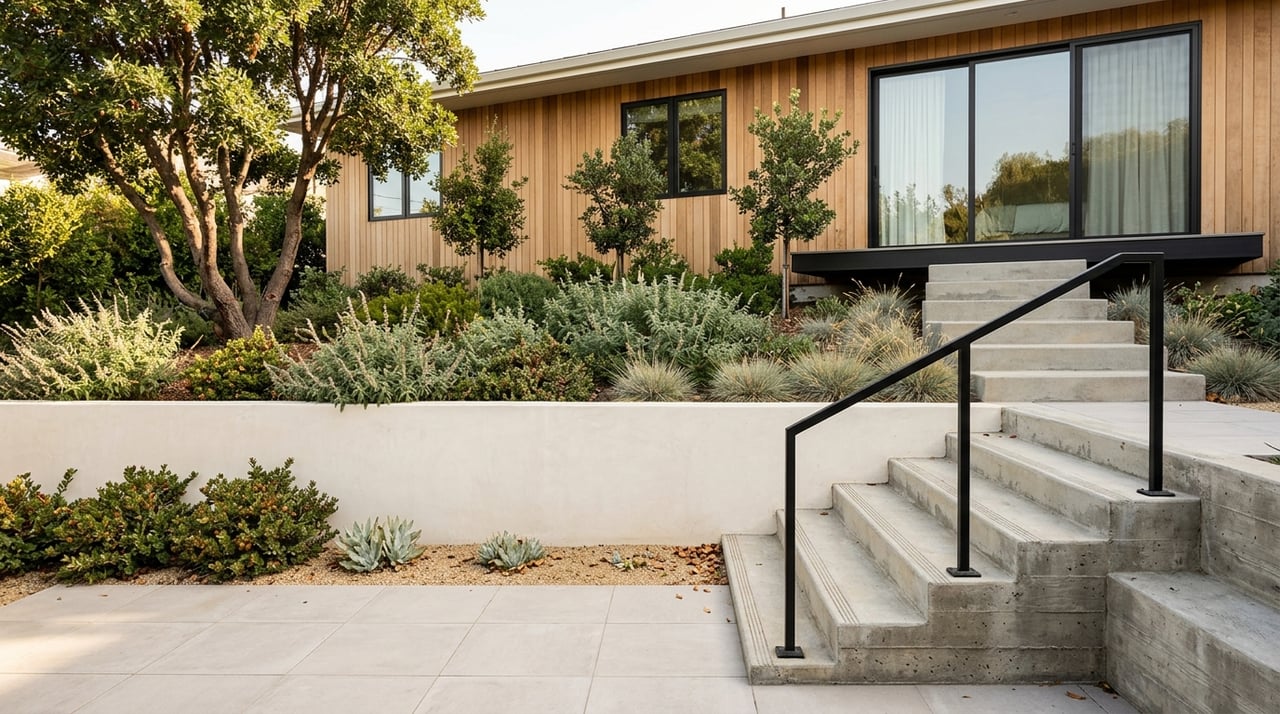
Location often shapes the kind of housing stock you will tour. In the hills, you are more likely to see detached homes that adapt to slope, elevation, and irregular lot shapes.
In flatter parts of Oakland, you are more likely to encounter denser housing patterns near transit routes and commercial corridors. That can include homes in more urban settings where daily errands, transit access, and mixed-use surroundings play a larger role in the living experience.
This does not mean one option is better than the other. It means your search should start with how you actually want to live, not just with square footage or list price.
How commute and routine can differ
One of the clearest lifestyle differences is how you get around. The flatter parts of Oakland function as the city’s transit core, with BART stations including 12th St/Oakland City Center, Lake Merritt, West Oakland, Fruitvale, Coliseum, and MacArthur, along with AC Transit corridors and transit centers clustered around many of the same areas.
That network supports a more walkable, connected routine in many flatland locations. The research report also notes that Redfin rates 94607 as very walkable, with a Walk Score of 87 out of 100.
In the hills, the routine is often different. Oakland’s wildfire and emergency planning materials note steep terrain and limited access in hill areas, which helps explain why daily life can be more dependent on parking, driveway access, and driving for errands. If your week revolves around BART and bus access, the flats may better match your needs. If you are more focused on privacy, views, and a detached-home feel, the hills may be worth the tradeoff.
Lifestyle differences buyers often notice
Buyers usually feel the location choice quickly, even before they can fully explain it. In the hills, people are often drawn to views, larger lots, quieter streets, and access to open space.
A good example is Joaquin Miller Park, a 500-acre city park that Oakland describes as urban wildlands with redwood groves, oak woodlands, and trail access. If nearby open space and a more tucked-away feel matter to you, hill locations may stand out.
In the flats, the appeal is usually more about convenience and activity. You may have easier access to transit, services, restaurants, and everyday errands, along with a denser urban setting that can simplify commuting and daily logistics.
Risks to review in the hills
If you are considering the hills, it is smart to look closely at wildfire and slope-related issues. Oakland says its Vegetation Management Unit inspects around 25,000 parcels in the Oakland Hills Very High Fire Hazard Severity Zone, where steep terrain, dense vegetation, high winds, and limited access can increase wildfire concerns. The city’s vegetation management page explains that these efforts are meant to reduce the chance of another catastrophic wildfire like the 1991 Oakland Hills Fire, which burned more than 1,500 acres, destroyed more than 3,000 homes, killed 25 people, and injured over 150.
Oakland also warns that hillside properties can face landslide risk. The city’s landslide guidance notes that land at the top of a hill can slide away, and other city hazard materials flag slopes in the hills as areas that need careful review.
For buyers, this means you should pay close attention to lot conditions, drainage, retaining features, and any history of grading or foundation work. A beautiful hillside setting can come with important due diligence items, and it is better to understand them early than be surprised later.
Risks to review in flatter areas
The flatter parts of Oakland bring a different set of questions. On the earthquake side, Oakland sits on the Hayward Fault, and the USGS liquefaction mapping for a magnitude 7.1 Hayward Fault scenario covers Oakland, Berkeley, Emeryville, Piedmont, and Alameda.
USGS notes that liquefaction is a Bay-margin hazard in places such as Oakland and Alameda. Oakland also has a city retrofit program focused on buildings with large ground-floor openings that may be more vulnerable in earthquakes.
If you are buying in flatter areas, especially in denser building types, it is worth reviewing whether the property may be on fill, in a liquefaction-prone area, or in a building style that deserves closer seismic scrutiny. These are not automatic deal breakers, but they are practical questions that should shape inspections and disclosures.
Questions to ask before you buy
Whether you prefer the hills or the flats, the smartest search usually starts with a few direct questions:
- Is the property in a Very High Fire Hazard Severity Zone?
- Is the lot steep enough to require grading, drainage, or foundation review?
- Is the home in an area that may be more prone to liquefaction?
- Does your routine depend more on BART and AC Transit or on freeway access and parking?
- Is the property a hillside single-family home or a denser flatland building that may need closer structural review?
These questions can help you compare homes more clearly, especially when two properties seem similar on price but offer very different daily realities.
How to decide what fits you best
If you are choosing between Oakland’s hills and flats, there is no one-size-fits-all answer. The better fit depends on how you balance budget, commute, home style, and comfort with location-specific risks.
You may lean toward the hills if you want more privacy, a detached-home feel, access to open space, and are prepared for a more car-oriented routine and added wildfire or slope due diligence. You may lean toward the flats if you want easier transit access, a more walkable day-to-day setup, and housing options tied more closely to urban corridors.
A steady search starts by matching the property to your real life, not just to a listing photo. If you want practical guidance comparing Oakland options, Ronnie Oatis offers clear, high-touch support to help you evaluate homes, understand tradeoffs, and move forward with confidence.
FAQs
What does 94619 mean for an Oakland home search?
- In this Oakland home search context, 94619 is commonly associated with hillside living, including areas the city places within the Oakland hills, which can affect price, home style, and risk factors.
How do Oakland hills and flats differ in price?
- In this Oakland location comparison, the research report shows 94619 at a median sale price of $875,000 versus $469,000 in 94607, meaning the hill-area example is significantly more expensive.
What commute differences should buyers expect in Oakland hills versus flats?
- In this Oakland commute context, the flats are generally closer to BART, AC Transit, and walkable mixed-use corridors, while the hills usually involve a more car-dependent routine.
What risks should buyers review in the Oakland hills?
- In this Oakland hills risk context, buyers should review wildfire exposure, steep terrain, limited access, and possible landslide concerns.
What risks should buyers review in Oakland flatland areas?
- In this Oakland flatland risk context, buyers should consider liquefaction exposure, proximity to Bay-margin hazard zones, and whether a building may need closer seismic review.
Which Oakland location is better for daily convenience?
- In this Oakland lifestyle context, the flats often offer easier access to transit, errands, and mixed-use corridors, while the hills may offer more privacy, larger lots, and access to open space instead.