Wondering what daily life in Sunol actually feels like? If you are looking beyond listing photos and map pins, that is the right question to ask. Sunol offers a very different rhythm from larger East Bay communities, and understanding that rhythm can help you decide whether it fits the way you want to live. Let’s dive in.
Sunol Feels Quiet by Design
Sunol is an unincorporated community in Alameda County with 922 residents counted in the 2020 Census. With a population density of 32.6 people per square mile, it has a quiet, spread-out feel that stands apart from more built-up Bay Area neighborhoods.
In day-to-day terms, that often means less noise, fewer crowds, and a more rural setting. You are not stepping into a dense suburban pattern with blocks of retail and steady traffic. Instead, you get a slower pace and a smaller community footprint.
Because Sunol is unincorporated, Alameda County handles many of the services that a city government would manage elsewhere. That includes planning, road maintenance, and fire and emergency services, which is an important practical detail if you are comparing Sunol to incorporated East Bay cities.
The Town Pattern Is Small-Scale
Sunol’s physical layout supports its village-like feel. County planning materials focus on the downtown area around Main Street and Highway 84, which points to an older core rather than a modern suburban commercial strip.
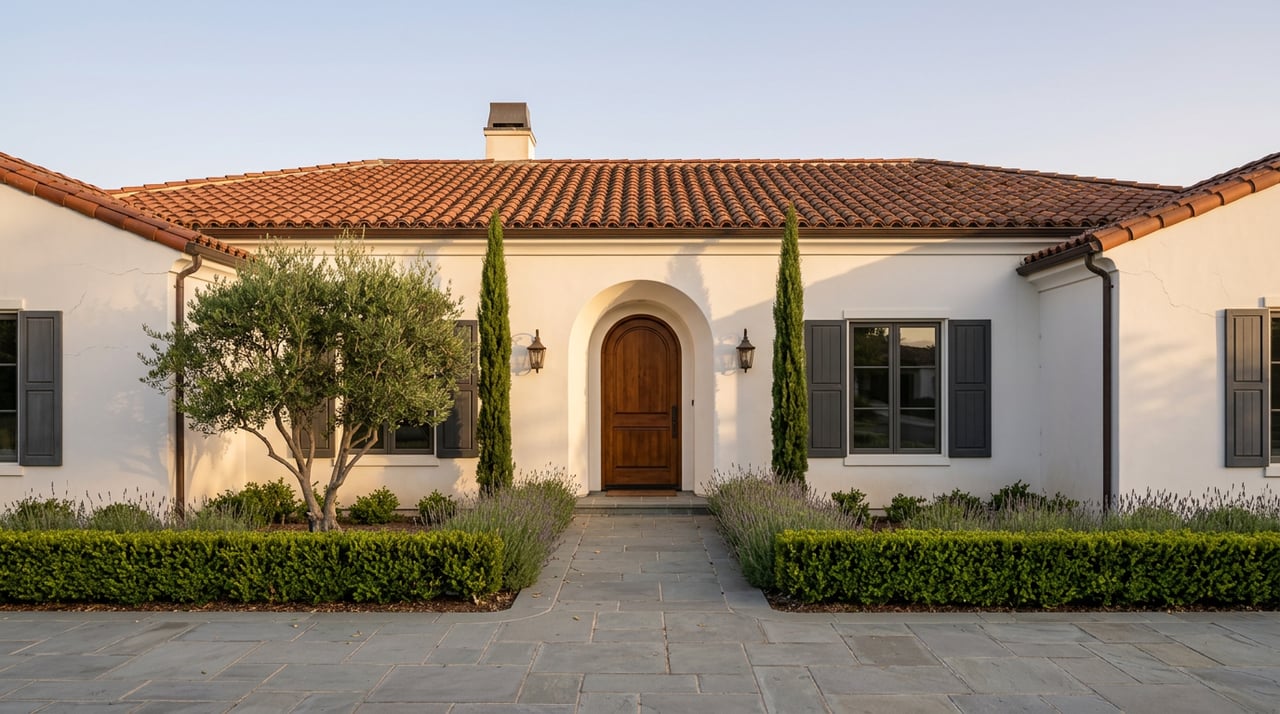
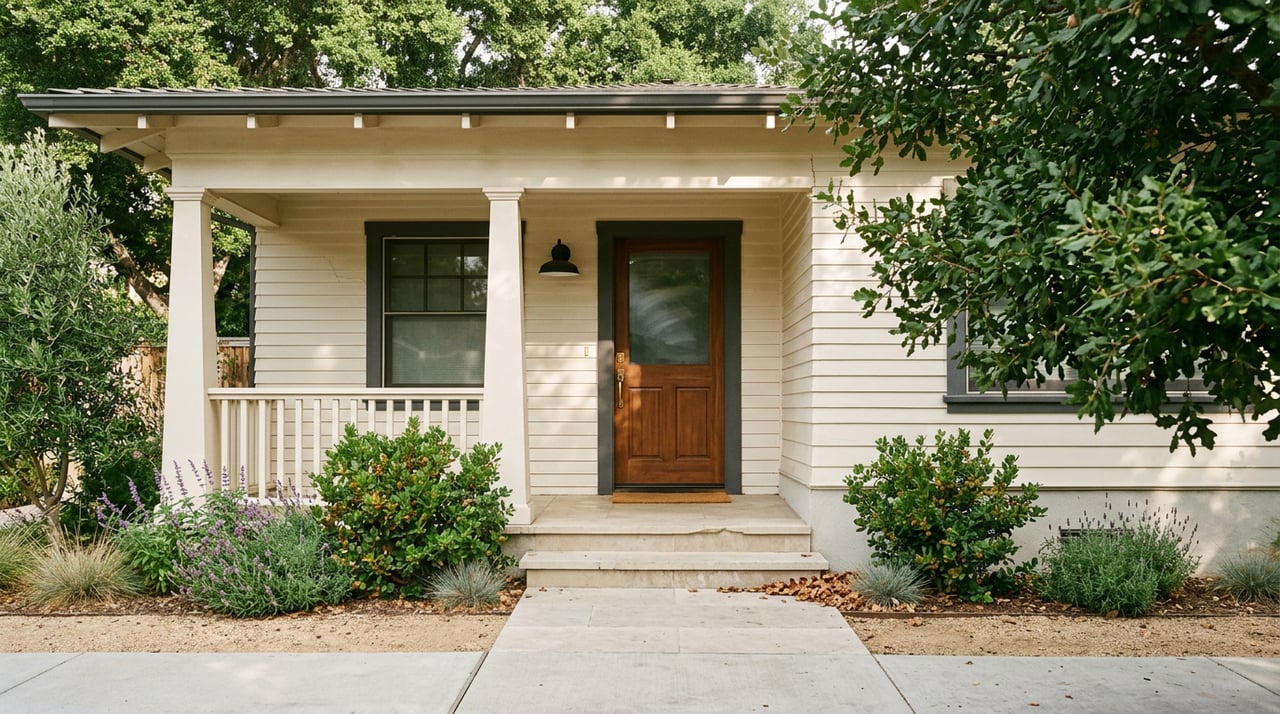
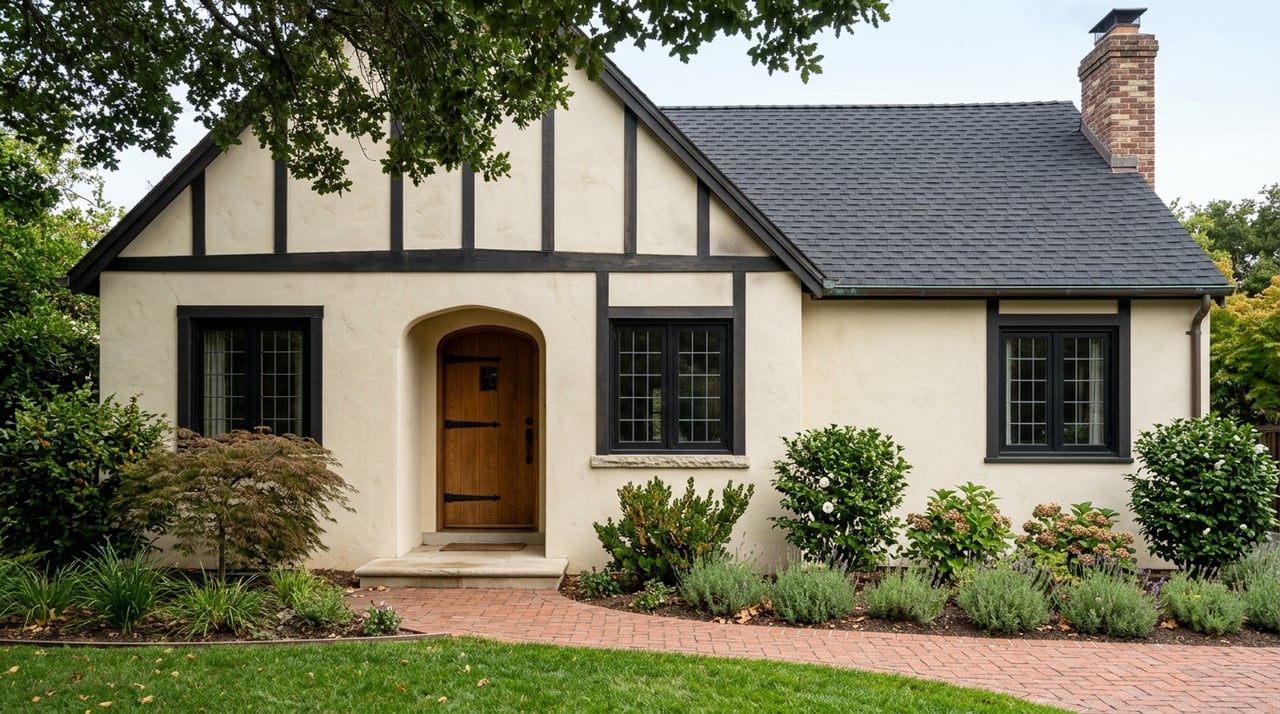
Most homes in Sunol were built in 1939 or earlier, according to Alameda County housing analysis. That gives the area an established character that can feel very different from newer subdivisions in nearby parts of the East Bay.
For many buyers, that older housing stock and small-town fabric are part of the appeal. It can mean more charm and a more rooted sense of place, while also signaling that Sunol is not built around constant new development or a long list of nearby conveniences.
Outdoor Time Shapes the Week
If you enjoy being outside, Sunol makes that part of everyday life easier. One of the area’s biggest assets is Sunol Wilderness Regional Preserve, which spans 6,859 acres and includes hiking, backpacking, picnicking, and naturalist programming.
Nearby outdoor access adds even more to that lifestyle. Ohlone Wilderness Regional Preserve connects Sunol to Mission Peak and Del Valle through the Ohlone Trail, and the Alameda Creek Regional Trail creates another outdoor corridor through southern Alameda County.
That does not mean every resident spends every weekend on the trail. Still, it does mean outdoor access is not an occasional bonus here. It is one of the clearest features shaping how the area feels and how many people choose to spend their free time.
Spring Brings a Seasonal Boost
Outdoor life in Sunol can feel especially active in spring. East Bay Regional Park District notes that wildflowers in Sunol Wilderness typically bloom from late March into early May.
That kind of seasonality matters because it adds a natural rhythm to the year. Scenic drives, walks, and trail outings can become a regular part of the week when the weather and landscape line up.
School Routines Are More Visible
Sunol Glen Unified School District is small by Bay Area standards. The California Department of Education lists it as a TK-8 district with 234 students for the 2025-26 school year.
A district that size tends to make school routines feel more visible in everyday life. In a smaller community, school drop-offs, local events, and family schedules can have more of a presence than they might in a large suburb.
That does not tell you everything about the experience of living in Sunol, but it does help explain the scale of the community. Small districts often shape the local rhythm simply because there are fewer people and fewer competing activity centers.
Commuting Is a Real Tradeoff
Sunol sits in the I-680 corridor, which is a major route connecting Silicon Valley, eastern Alameda County, and central Contra Costa County. It also ties into SR 84 and I-580, which helps explain why buyers can use Sunol as a rural home base while still reaching larger job centers.
That access is a real advantage for some commuter buyers. If you want more space and privacy but still need practical connections to Tri-Valley or Silicon Valley, Sunol can offer that balance.
The tradeoff is that commuting takes planning. Caltrans notes congestion on I-680, and the I-680 Sunol Express Lanes run between SR-84 in Sunol and Calaveras Road in Milpitas.
Regional transit can help, but it is better described as an access option than a doorstep feature. Caltrans says ACE serves the Tri-Valley, Fremont, and San José commute corridor, and BART runs parallel to I-680 in southern Alameda County.
Car Dependence Is Part of Daily Life
For most households, driving is part of the basic routine in Sunol. Whether you are heading to work, running errands, or connecting to transit, a car-dependent lifestyle is one of the clearest realities to understand before you buy here.
That is not necessarily a negative. For many buyers, it is simply the trade they are willing to make for a quieter setting, older homes, and direct access to open space.
What Everyday Convenience Looks Like
Sunol is not the place where you expect a long list of nearby retail, dining, or transit options. The research points to a sparse, established, rural-feeling environment rather than a modern convenience-driven suburb.
That means daily errands may require more planning than they would in larger East Bay communities. You are choosing a place where privacy, scenery, and breathing room tend to matter more than having everything a few minutes away.
For the right buyer, that trade can feel worth it very quickly. For others, especially those who want frequent transit access or a lot of nearby storefronts, the limitations may stand out sooner.
Who Usually Likes Sunol Best
Sunol tends to make the most sense for buyers who want a quiet setting with a strong rural edge and access to the Bay Area job corridor. If space, privacy, and outdoor lifestyle matter more to you than being close to major retail, Sunol may feel like a strong fit.
It can also appeal to commuter buyers who are comfortable planning around freeway traffic. The location gives you a foothold in a quieter part of Alameda County while still keeping regional connections in reach.
On the other hand, if your ideal day includes easy transit, lots of nearby shopping, or a more walkable suburban setup, Sunol may feel too limited. The key is to weigh the lifestyle honestly before you make a move.
Why Buyers Should Look Past the Listing
In a place like Sunol, the day-to-day experience matters just as much as the home itself. A property may check the boxes on price, size, or lot layout, but the bigger question is whether the local rhythm matches your routine.
That is especially true for buyers relocating from denser East Bay neighborhoods or from communities with more built-in convenience. Understanding the commute, county services, small-town layout, and outdoor focus can help you make a more confident decision.
A practical home search is not just about what looks good online. It is about finding the place that fits how you actually live from Monday morning to Sunday evening.
If you are weighing whether Sunol fits your routine, commute, and priorities, talking it through with a local buyer’s agent can save you time and second-guessing. Ronnie Oatis brings a steady, no-nonsense approach to East Bay home buying and can help you evaluate whether Sunol is the right match for your lifestyle.
FAQs
What is day-to-day life like in Sunol, CA?
- Day-to-day life in Sunol is best described as quiet, outdoors-oriented, small-scale, and car-dependent, with a rural feel and access to Bay Area job corridors.
Is Sunol, CA a city or an unincorporated area?
- Sunol is an unincorporated Alameda County census-designated place, so Alameda County handles many local functions such as planning, road maintenance, and fire and emergency services.
How small is the Sunol community?
- The 2020 Census counted 922 residents in Sunol, with a population density of 32.6 people per square mile.
What are the outdoor amenities near Sunol, CA?
- Sunol is close to Sunol Wilderness Regional Preserve, Ohlone Wilderness Regional Preserve, and the Alameda Creek Regional Trail, making hiking, scenic outings, and other outdoor activities a major local feature.
Is Sunol, CA good for commuters?
- Sunol offers access to I-680, SR 84, and I-580, which can work well for commuters heading toward Tri-Valley and Silicon Valley, but traffic planning is an important part of daily life.
What is the school setup in Sunol, CA?
- Sunol Glen Unified School District is a small TK-8 district with 234 students listed for the 2025-26 school year, which contributes to the area’s small-community feel.