Thinking about moving up in Piedmont? This is one of those markets where good planning matters just as much as your budget. If you are trying to buy a larger home, a different layout, or a better long-term fit while also selling your current place, you need a clear plan for timing, cash flow, and property condition. This guide walks you through what makes a move-up purchase in Piedmont different and how to prepare with fewer surprises. Let’s dive in.
Why Piedmont move-up buyers need a plan
Piedmont is a fast-moving, high-price market. Recent market data show a median sale price of about $3.1 million, around 6 offers per home, and a typical market time of roughly 12 days. That means you may need to make decisions quickly once the right home appears.
For move-up buyers, speed can create pressure on both sides of the transaction. You are not just shopping for a new home. You are also trying to line up financing, the sale of your current property, and a realistic move schedule.
Piedmont also has a very limited supply of new homes. City planning materials say only two or three new homes are built in a typical year, so most buyers are choosing from older existing homes rather than new construction. That changes how you should think about inspections, repairs, and future improvements.
Budget beyond the purchase price
In Piedmont, your move-up budget should cover more than the contract price. You will want to look at down payment funds, closing costs, possible overlap between homes, and a repair or upgrade reserve after closing. In a market at this price point, small planning gaps can become expensive quickly.
The City of Piedmont says its real property transfer tax is $13 per $1,000 at transfer. The city also notes that Alameda County and Piedmont Unified School District assess taxes on Piedmont property, so final closing costs should be confirmed with your escrow and title team for the specific property.
If you are selling before or while you buy, local sale requirements matter too. Piedmont requires a Home Energy Assessment for a sale or transfer of property, and that assessment must have been prepared within the past five years. The city also requires a property records search and a sidewalk inspection, with listed fees of $93 and $153.
The same city materials say a Home Energy Score generally costs about $200 to $500, while an audit averages about $500 to $1,000. BayREN currently offers a $200 rebate for a Home Energy Score. These costs may not be the biggest line items in your move, but they still belong in your planning.
Older homes change the math
Piedmont is not mainly a new-build market. City preservation materials say more than 70% of the homes were built before 1940. That older housing stock is a big part of Piedmont’s character, but it also means you should budget for condition-related work more carefully than you might in a newer area.
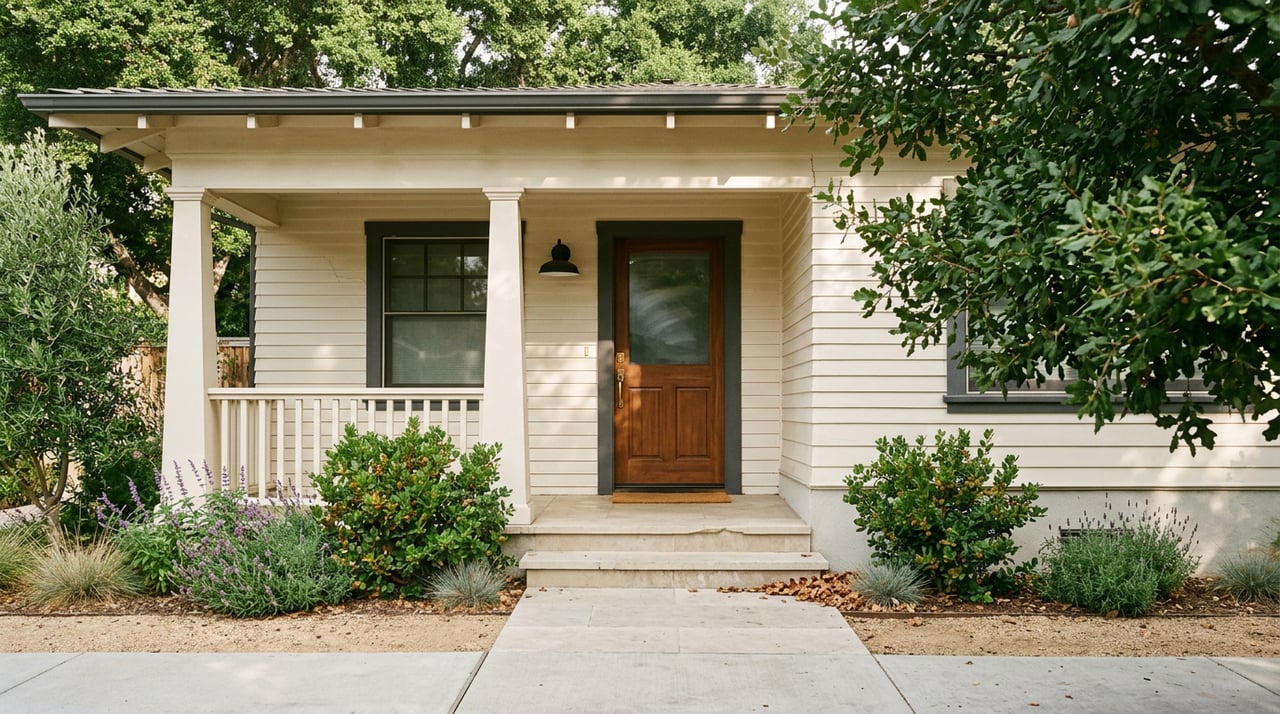
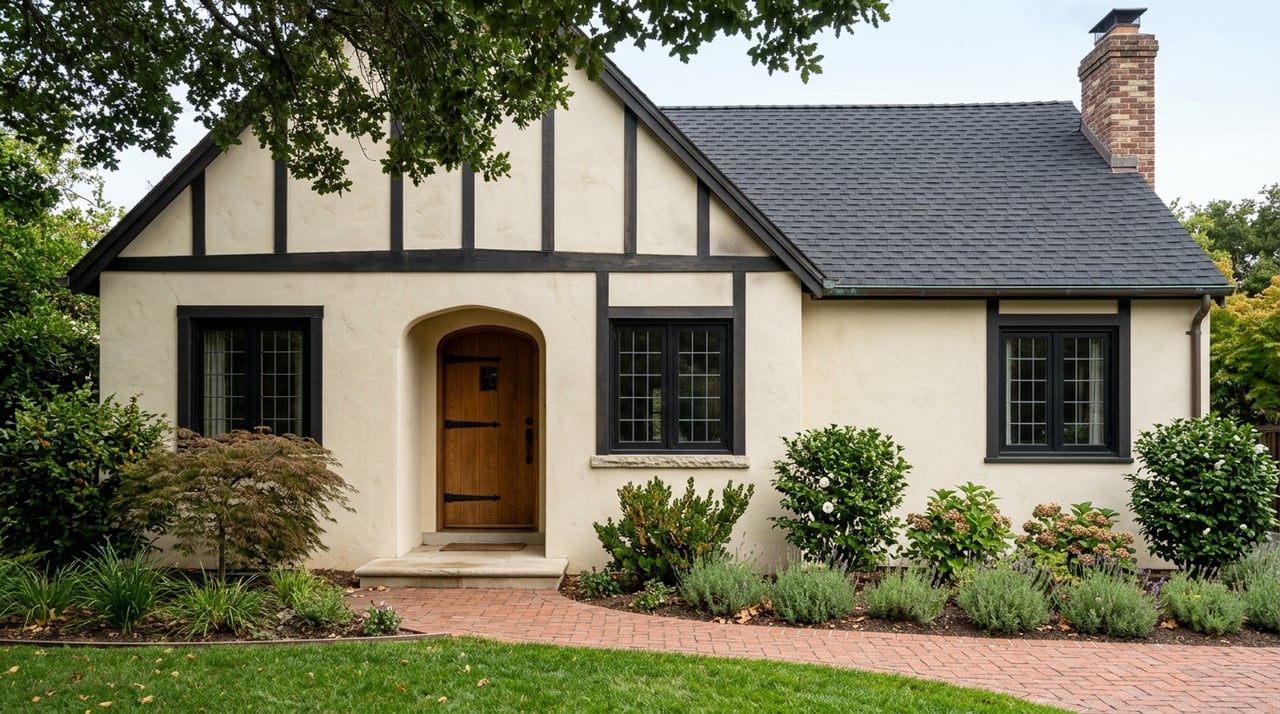
Many homes reflect older architectural styles such as Victorian, Bungalow, Craftsman, Colonial Revival, and English or Tudor design. Those details attract buyers, but older homes can also bring questions about systems, prior updates, and permit history. A move-up purchase here often works best when you evaluate the home and your renovation goals at the same time.
That matters because Piedmont’s design review process is meant to preserve architectural heritage, aesthetic values, residential scale, and natural beauty. According to the city, many small repairs are exempt, but remodels and additions often require design review. Projects must also fit the General Plan and Design Guidelines and avoid negative effects on views, privacy, light, and safety.
Plan your renovation before you close
In Piedmont, buying first and figuring out improvements later can lead to frustration. If you already know you want to expand, rework a layout, or update major features, it is smart to review that possibility before you commit to the purchase. The city’s preservation framework can affect what is feasible.
This does not mean every home will need a major remodel. It means your due diligence should include a realistic look at what future work may involve. For many move-up buyers, the right question is not just, “Do I like this house?” but also, “Will this house work for us without creating a long or costly approval path?”
Coordinating your sale and purchase timing
Timing is one of the biggest stress points for move-up buyers. In Piedmont, where homes often move fast and multiple offers are common, you may have shorter contingency windows and less time to hesitate. A strong plan can help you act with more confidence.
If you already own a home in California, Proposition 19 may be part of your strategy. The California Board of Equalization says eligible homeowners who are at least 55, severely and permanently disabled, or victims of a qualifying disaster can transfer a base-year value to a replacement home anywhere in California.
The timing rules matter. The claim is filed after both transactions are complete and after you are living in the replacement home. It is not handled through escrow, so you should not assume the tax benefit happens automatically during closing.
The Board of Equalization also says you can buy the replacement home before selling the original home, as long as the original home is sold within two years. But there is an important tradeoff. Until the original home sells, the replacement property is taxed at full fair market value, and there is no refund for that interim period.
When buying first may make sense
Buying before selling can help in a fast market if you need flexibility and do not want to risk missing the right property. It can also reduce the pressure of trying to line up two closings at the same time. For some move-up buyers, that breathing room is valuable.
At the same time, this approach can create a temporary cash-flow spike. You may be carrying two homes, dealing with full market-value taxes on the replacement property for a period, and covering moving costs at the same time. Before you write an offer, it helps to model the monthly impact clearly.
A simple planning checklist can help:
- Estimate your available equity from the current home
- Confirm your financing options early
- Budget for closing costs and transfer tax
- Set aside reserves for repairs or post-close updates
- Review whether a short overlap period is affordable
- Understand how Prop 19 timing could affect cash flow
What to inspect closely in Piedmont
Because Piedmont is largely an older-home market, documentation and condition deserve extra attention. The city’s own sale requirements point in that direction. A property records search, sidewalk inspection, and home energy assessment are all part of the local process.
As a buyer, you should pay close attention to prior alterations, permit history, and the likely cost of system upgrades or deferred maintenance. If you expect to remodel after closing, it is also wise to understand whether your future plans may trigger design review. That can affect both budget and timeline.
Piedmont’s housing profile also helps explain why this matters. The city has historically been overwhelmingly single-family detached, with remaining multifamily stock made up mainly of small rental apartments and two-to-four-unit properties rather than a large condo market. In practical terms, many buyers here are stepping into older detached homes with unique histories, not newer attached product with more standardized finishes and systems.
A practical move-up strategy for Piedmont
The best move-up plan is usually calm, detailed, and realistic. In a market where homes can go pending in about 12 days, preparation gives you options. You do not want to be making big decisions about timing, renovation scope, or tax strategy after the ideal house is already in front of you.
A practical approach often includes three parts. First, know your real budget, including reserves. Second, understand how your sale timing affects your purchase options. Third, treat condition, permit history, and future design constraints as part of the buying decision, not as afterthoughts.
That kind of planning will not remove every challenge in Piedmont. It will help you make cleaner decisions and avoid surprises that are easier to prevent than to fix.
If you are thinking about a move-up purchase in Piedmont or the wider East Bay, a steady plan and strong coordination can make a real difference. When you are ready to talk through timing, budget, and the local process, connect with Ronnie Oatis for a clear, practical next step.
FAQs
What makes a move-up purchase in Piedmont different?
- Piedmont is a fast, expensive market with limited new construction, older housing stock, and many homes that may need careful review for condition, permit history, and future remodel potential.
How much cash should a Piedmont move-up buyer expect to need?
- You should plan for more than your down payment, including closing costs, Piedmont transfer tax, possible overlap between homes, and a repair or upgrade reserve after closing.
Can you buy a Piedmont home before selling your current home?
- Yes, eligible Proposition 19 homeowners can buy before selling, as long as the original home sells within two years, but the replacement home is taxed at full fair market value until the original sale closes.
What local seller requirements apply to a home sale in Piedmont?
- Piedmont requires a Home Energy Assessment for a sale or transfer, plus a property records search and a sidewalk inspection.
Why do inspections matter so much when buying in Piedmont?
- More than 70% of Piedmont homes were built before 1940, so buyers should pay close attention to prior updates, permits, energy performance, and any future work that may require design review.
Is there much new construction inventory in Piedmont?
- No, city materials say only two or three new homes are built in a typical year, so most buyers are choosing from the existing housing stock.