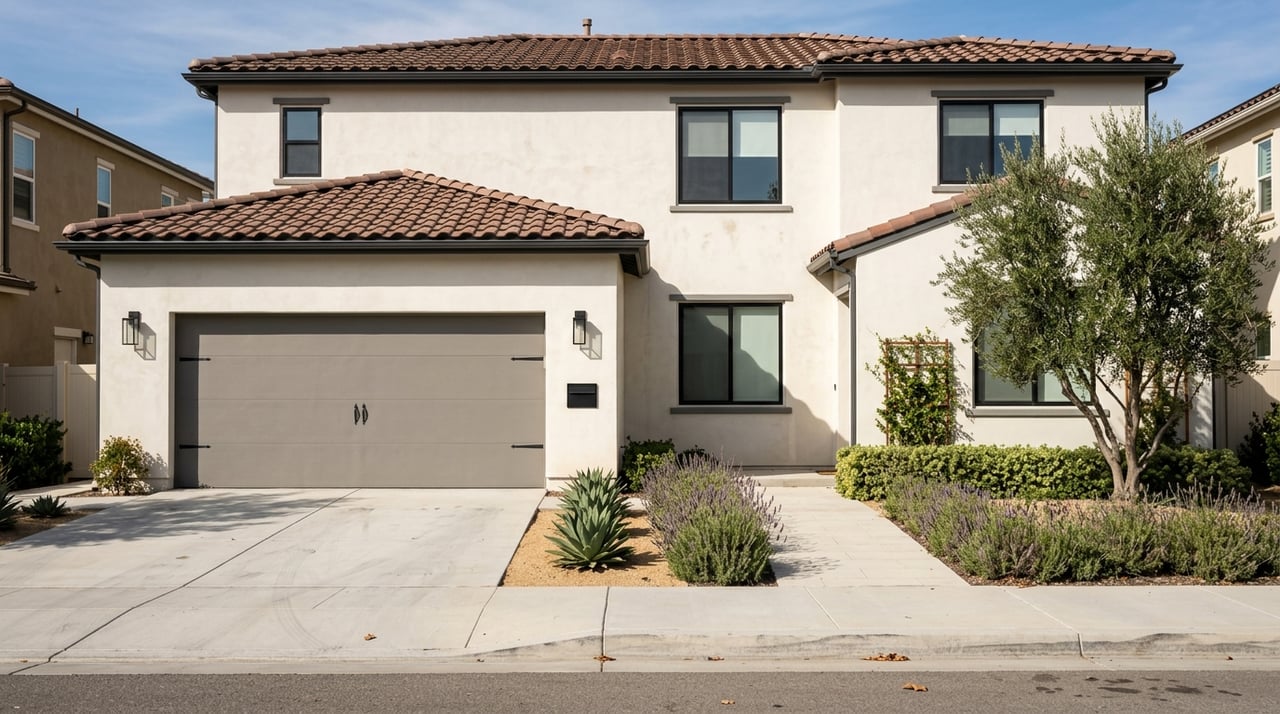
If Fremont feels just out of reach, you are not alone. Many East Bay buyers are trying to balance price, space, and commute without stretching too far or giving up too much. The good news is that Newark often enters the conversation for a reason: it can offer a lower price point with a housing mix that still fits many owner-occupant buyers. Let’s break down whether Newark is a smart alternative for you.
Newark vs. Fremont at a Glance
For many buyers, the Newark versus Fremont decision comes down to value versus access. Newark generally comes in at a lower price, while Fremont offers stronger in-city transit and job-center access.
That does not make one city better than the other. It means your best choice depends on how you live, how you commute, and what type of home you want to buy.
Home Prices: Newark Usually Costs Less
Recent market data shows a meaningful price gap between the two cities. Over the three months ending May 2026, Newark’s median sale price was $1,247,254, while Fremont’s was $1,564,064.
That is a difference of $316,810. On a price-per-square-foot basis, Newark was also lower at $791 per square foot compared with Fremont at $964.
Census data points in the same direction. The median value of owner-occupied homes was $1,142,800 in Newark and $1,403,800 in Fremont, which is a $261,000 gap.
If you are trying to stay closer to a budget while still buying in southern Alameda County, that spread matters. It can affect your down payment, monthly payment, and how much room you have for repairs, updates, or reserves after closing.
Housing Options: Newark Leans More Detached
Newark’s housing stock is more heavily weighted toward detached homes. In 2020, 69.6% of Newark’s housing stock was single-family detached, compared with 57.8% in Fremont.
Fremont has a more mixed housing profile. Its housing stock includes a larger share of attached homes and multifamily properties, which often translates into more condo and townhome options for buyers.
Here is a simple side-by-side look:
| Housing Type | Newark | Fremont |
|---|---|---|
| Single-family detached | 69.6% | 57.8% |
| Single-family attached | 9.5% | 13.2% |
| 2 to 4 units | 4.4% | 3.3% |
| 5+ unit multifamily | 16.5% | 24.7% |
If you want a more suburban feel and are focused on detached housing, Newark may line up well with your search. If you want more attached-home choices, Fremont may give you a broader menu.
Ownership Pattern: Newark Feels More Owner-Oriented
Another useful signal is owner occupancy. Newark’s owner-occupied housing unit rate is 69.4%, compared with 60.8% in Fremont.
That does not tell the whole story of a market, but it does support the idea that Newark can feel more ownership-oriented. For buyers who want a more traditional residential base, that may be appealing.
Commute Access: Fremont Has the Stronger Transit Setup
This is where Fremont has a clear edge. Fremont has two BART stations, Fremont Downtown and Warm Springs/South Fremont, and also has access to I-680, I-880, ACE, Amtrak Capitol Corridor, and BART.
Newark does not have its own BART station. Newark residents commonly use nearby Fremont or Union City BART stations, and the city is served by AC Transit with access to I-880 and State Route 84.
For many buyers, that means commute style matters. If you drive often, Newark’s access to I-880 and SR-84 may work well, especially if you need to cross the Dumbarton Bridge toward Peninsula job centers.
If you want the most direct in-city rail access, Fremont is usually the easier fit. That convenience can be worth paying more for, depending on your routine.
Peninsula Commuters: Newark Can Make Sense
Newark has a practical advantage for some drivers because of its access to State Route 84 and the Dumbarton Bridge. AC Transit’s Dumbarton Express also runs Monday through Friday across the Dumbarton Bridge and is designed to connect East Bay and Peninsula job centers along the SR-84 corridor.
So, if your daily life is built around a car commute or a bridge commute, Newark may be more compelling than buyers first assume. It is not the same as having BART in town, but for the right commute pattern, it can still work very well.
Jobs and Daily Convenience: Fremont Offers More In-City Access
Fremont has a denser in-city employment profile. The city identifies major employment hubs in Warm Springs, Bayside, Ardenwood, and City Center, with City Center alone containing more than 30,000 jobs and 15,000 residents.
Warm Springs is also anchored by major employers and the Warm Springs/South Fremont BART station. For buyers who want to live closer to large job centers and stronger transit connections, Fremont has more built-in advantages.
Newark is better understood as a residential base with convenient retail access. The city identifies NewPark Mall as its primary retail and entertainment destination, and planning efforts point to Old Town Newark and the NewPark area as mixed-use opportunity areas.
Market Speed: Both Cities Move Fast
You should not expect a slow market in either city. Newark homes sold in about 16 days on average in the latest snapshot, while Fremont homes sold in about 14 days.
That tells you two things. First, demand is still strong in both markets. Second, even if Newark is the more affordable option, you still need a clear strategy and quick decision-making when the right property comes up.
When Newark Is the Smarter Buy
Newark may be the smarter alternative if you are looking for:
- A lower entry price than Fremont
- More house for the money
- A detached-home search that fits a more suburban housing mix
- Access to I-880 and SR-84 for a drive-based commute
- A residential base near southern Alameda County and Peninsula routes
For many practical buyers, that combination is hard to ignore. If Fremont pricing is pushing your comfort zone, Newark may let you stay in the area without stepping too far back on space or location.
When Fremont May Still Be Worth the Premium
Fremont may justify the higher price if your top priorities are:
- In-city BART access
- Broader condo or townhome choices
- Closer access to major local job hubs
- A commute that benefits from stronger rail and regional transit options
In other words, Fremont can make sense if access is the main goal. Paying more may be worthwhile if it materially improves your day-to-day schedule.
How to Decide Between Newark and Fremont
A smart decision usually starts with your non-negotiables. Think about your monthly budget, your commute pattern, the type of home you want, and how much flexibility you need in a competitive market.
A simple framework can help:
- Set your real budget range, not just your approval ceiling.
- Decide whether you prefer detached homes, townhomes, or condos.
- Map your weekly commute, including rail, bridge, and freeway needs.
- Compare what your budget buys in both cities.
- Move quickly when a home matches both your numbers and your daily routine.
That process keeps emotion from taking over. It also helps you compare Newark and Fremont based on what matters most to your household.
The Bottom Line on Newark vs. Fremont
Yes, Newark can be a smart alternative to Fremont for buyers, especially if you want a lower price point, more detached-home inventory, and a commute pattern that works well by car. Fremont still holds an advantage for BART access, in-city job hubs, and a wider mix of attached housing.
The right move comes down to fit, not just price. If you want steady, no-nonsense guidance as you compare Newark and Fremont, Ronnie Oatis can help you weigh the tradeoffs and build a plan that fits your budget, commute, and long-term goals.
FAQs
Is Newark cheaper than Fremont for home buyers?
- Yes. Recent market data shows Newark’s median sale price and price per square foot were both lower than Fremont’s, and Census home value data shows the same pattern.
Does Newark have a BART station for commuters?
- No. Newark does not have its own BART station, so residents commonly use nearby Fremont or Union City stations.
Does Fremont offer more condos and townhomes than Newark?
- Yes. Fremont has a more mixed housing stock and a larger multifamily share, which usually means more attached-home options.
Is Newark a good option for Peninsula commuters?
- It can be. Newark has access to State Route 84 and the Dumbarton Bridge, and the Dumbarton Express serves the corridor on weekdays.
Do homes in Newark and Fremont sell quickly?
- Yes. Recent snapshots show both markets moving fast, with average days on market around 16 days in Newark and 14 days in Fremont.