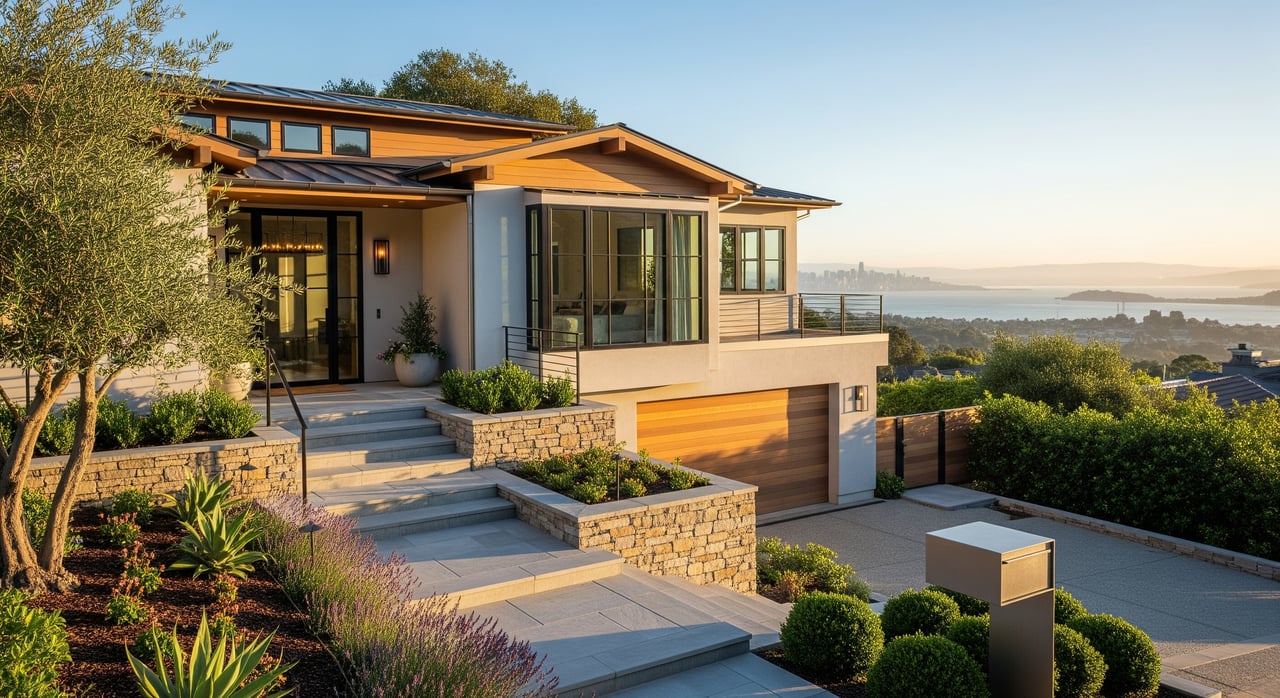
Thinking about listing your Lincoln Highlands home in the next two months? You want a clean, low-drama process that respects your time and gets you a strong result. With the right prep and sequence, 60 days is enough to make smart updates, build buyer demand, and launch with confidence. This guide breaks down a practical, East Bay specific plan you can follow step by step. Let’s dive in.
Why a 60-day plan in 94602
Lincoln Highlands sits in one of Oakland’s more sought-after micro-markets. Buyers here often weigh commute options, proximity to BART, neighborhood feel, and access to jobs in Oakland and San Francisco. That means your prep and pricing should reflect current local comps and buyer expectations.
Before you start, gather market intelligence with your agent. Review closed sales from the past 30 to 90 days in 94602, nearby actives and pendings, price per square foot, median days on market, and the list-to-sale price ratio. Seasonal trends matter in Alameda County, and spring is often busy, yet the East Bay can see steady demand year-round.
Days 60–46: Decision and discovery
Start with a listing consultation to set goals, timing, and a list price range based on local comps. Ask your agent to order a preliminary title report and review your property profile early.
Collect key documents now. Pull your mortgage payoff, deed, tax bill, recent utility bills, any prior inspection reports, appliance warranties, permit history, and HOA documents if applicable.
Order pre-listing inspections if you want fewer surprises later. Typical Bay Area ranges: general home inspection $300 to $700, termite inspection $150 to $400, and roof or sewer scope $200 to $500. Inspectors usually schedule within 3 to 10 days.
Gather repair estimates for any high-priority items, including roof, structural, plumbing, or electrical work. If permits could be required, ask contractors about expected timelines.
Decide on staging: full, partial, or virtual. Get quotes and book a consultation with both a stager and photographer to align style and budget. Begin decluttering and pack nonessential items so staging goes smoothly.
Days 45–31: Repairs and curb appeal
Tackle safety and quick fixes first. California requires working smoke detectors and carbon monoxide alarms for resale. Secure handrails, brace the water heater, and address trip hazards to help pass buyer inspections.
Complete the cost-effective cosmetics that show well. Interior paint can run $1,000 to $6,000 depending on size, with strong return when you choose neutral colors. Update cabinet hardware for $200 to $800, refresh lighting or faucets, caulk and touch up walls, and deep clean or refinish floors where it counts.
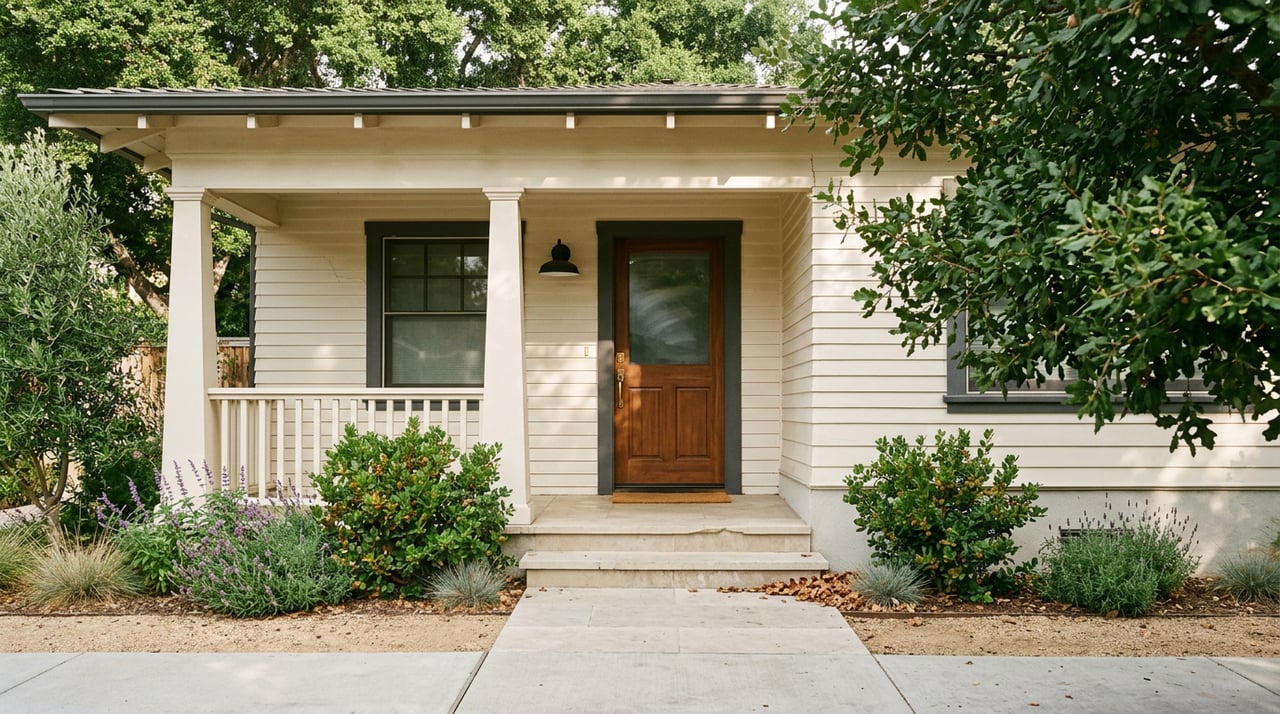
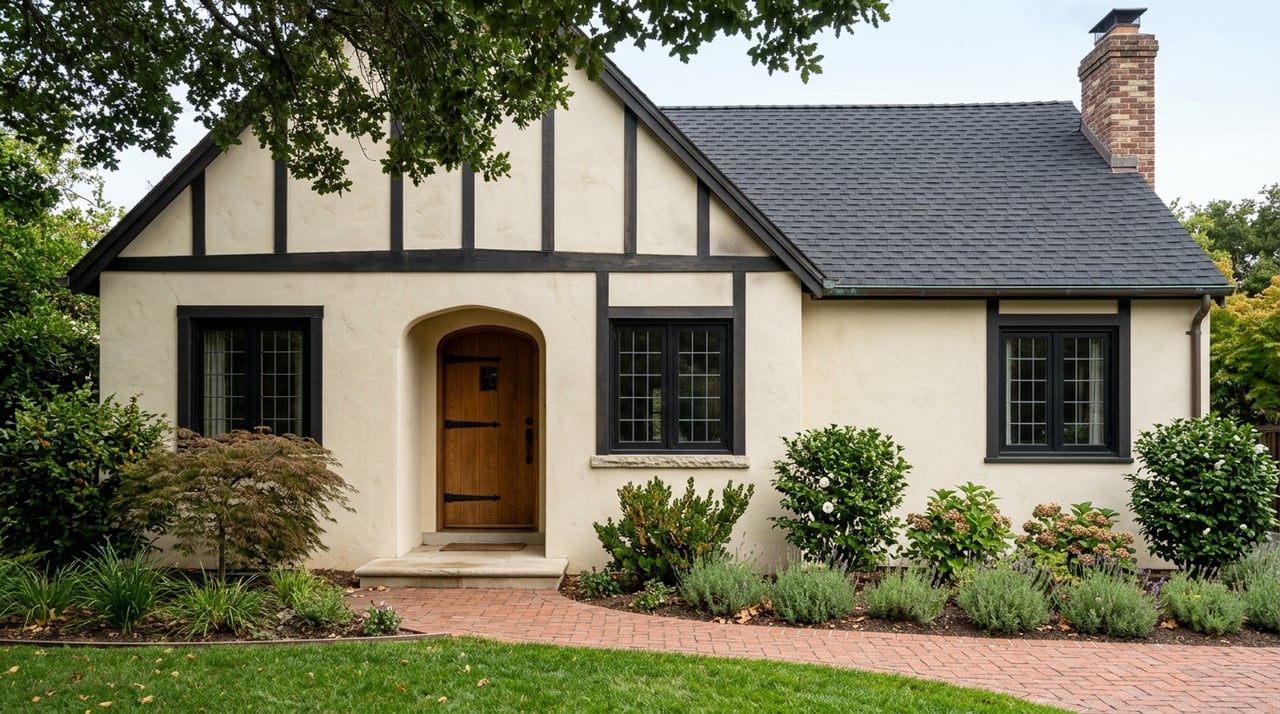
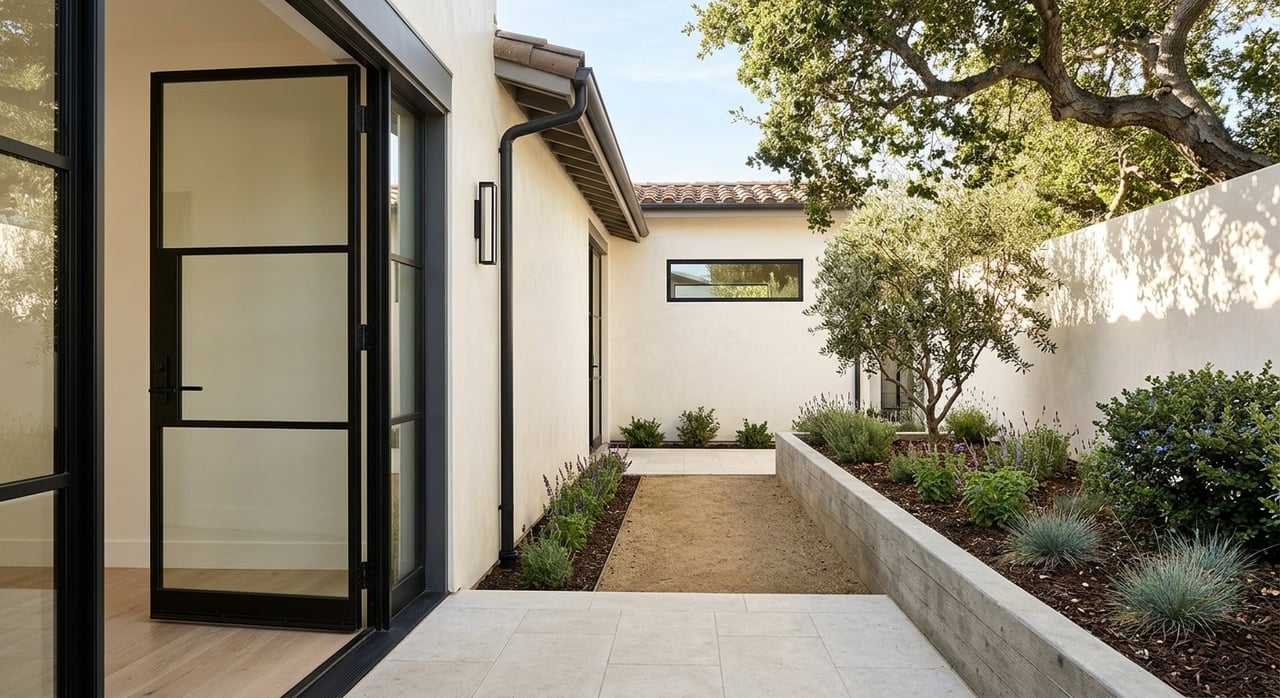
Boost curb appeal with East Bay friendly choices. Pressure wash, tidy gutters, add planters, trim hedges, and consider drought-tolerant plants that fit our climate. Landscaping improvements often cost $500 to $3,500 and can make your photos pop.
Verify permit history with the City of Oakland if past work was done, and prepare to disclose any unpermitted items. If permits are required for current repairs, start applications as early as you can.
Set your staging installation window, ideally 1 to 3 days before photography so everything is photo-ready.
Days 30–16: Staging and marketing assets
Finalize staging and traffic flow for photos and showings. Keep spaces neutral and uncluttered to maximize perceived square footage.
Book a professional photographer, and consider drone or a twilight shoot if appropriate. Add a 3D virtual tour or a floor plan for extra clarity. Typical bookings are scheduled 1 to 3 weeks out, and the cost for photos and a floor plan often falls between $250 and $800.
Build your marketing with your agent. Draft the listing description, gather neighborhood highlights, create or confirm the floor plan, and prepare seller disclosures. Decide on pricing strategy based on current 94602 comps and your goals, whether that is multiple-offer momentum or a more measured approach.
Plan pre-market outreach. Line up broker previews, social posts, email notices to buyer databases, and a flyer drop to adjacent blocks. This creates interest before your MLS launch.
Days 15–8: Pre-launch checklist
Do a final walkthrough for needed touch-ups and a deep clean. Stage the most important rooms, including the living room, kitchen, primary bedroom, and entry.
Complete required disclosures. In California you will prepare the Transfer Disclosure Statement and the Natural Hazard Disclosure, along with any HOA resale documents and permit records. Termite reports are common in the Bay Area and can be shared pre-listing if you choose.
Confirm signage, open house dates, lockbox placement, and showing windows. If sign rules apply, check City of Oakland guidelines before installation.
Plan your move. Book movers, schedule utility transfers, and confirm availability during the first two weekends of showings.
Days 7–0: Launch week playbook
Approve all final media and marketing assets. Make sure your home is show-ready with staging complete and surfaces spotless.
Coordinate MLS timing for maximum visibility. Your agent can advise on the best day and time to go live for buyer and broker attention.
Consider a broker preview or midweek broker open to build momentum. Host your first weekend open houses and collect real feedback from agents and buyers. If adjustments are needed, do them early.
Prepare for offers in advance. Request pre-approval letters from buyers, decide whether to set an offer deadline, and outline your preferred terms such as timing, rentback, or contingency expectations.
Pricing strategy in 94602
Your pricing plan should match local data and your outcome goals. Three common strategies work in Lincoln Highlands and nearby East Bay neighborhoods:
- Aggressive pricing to attract many showings and potential multiple offers.
- Market pricing close to the most relevant comps for steady activity and clear expectations.
- Aspirational pricing with room to adjust if traffic or feedback is light.
Use a three-tier analysis of actives, pendings, and closed sales within the last 30 to 90 days. Factor in micro-market differences, including proximity to transit and neighborhood features that matter to your likely buyer pool.
Pre-inspections and repair ROI
Pre-listing inspections reduce surprises, speed negotiations, and build buyer confidence. For older homes or properties with known issues, this step can be especially valuable.
Prioritize safety, structure, and major systems first. Then focus on high-ROI updates buyers notice, like paint, lighting, simple fixture upgrades, and clean flooring. Many sellers spend between $1,000 and $20,000 on pre-listing work depending on condition and scope, with smaller, targeted projects often delivering the best return.
If you find unpermitted work, plan to disclose it and consult on whether to pursue permits before listing. Late discovery of permit issues can slow or derail a sale, so address this early.
Staging that sells in the East Bay
Well-executed staging can shorten time on market and improve perceived value. Partial staging usually runs $1,000 to $3,000, while full staging can range from $3,000 to $12,000 depending on size and style.
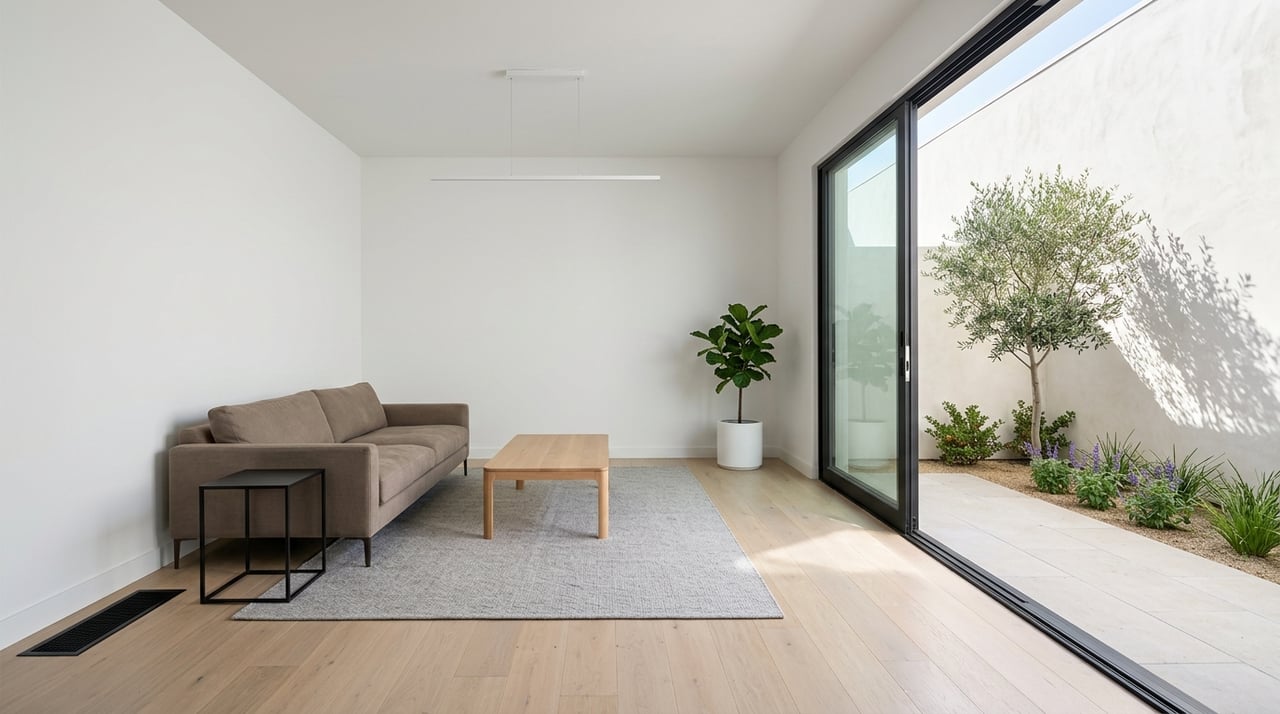
Keep it simple and neutral. Prioritize the living room, kitchen, primary bedroom, and curb appeal. Remove personal photos and bold decor so buyers can picture themselves in the space.
If you live in the home during showings, store daily items out of sight, use neutral linens, and keep surfaces clear. The goal is a calm, spacious feel in person and in photos.
Marketing and showings
Strong listing photos, a floor plan, and a 3D tour help buyers understand flow and scale. Pair MLS exposure with broker previews, social ads, email outreach, and neighborhood flyers. For out-of-area buyers and those with tight schedules, recorded video tours and virtual showings make your home accessible.
Set clear showing instructions and lockbox access. Create a simple binder for buyers’ agents with disclosures, inspection summaries, floor plan, and neighborhood facts. This signals that you are organized and helps reduce follow-up questions.
Negotiation and closing
Give your agent clear guidance on what matters most: price, timing, or contingencies. Expect offers with inspection, appraisal, and loan contingencies, though terms vary by market conditions. If multiple offers are likely, discuss the pros and risks of escalation clauses or shortened timelines with your agent and, if needed, legal counsel.
Be ready for appraisal conversations. If an appraisal comes in below the purchase price, you may discuss adjustments or a gap solution with the buyer. Typical closings run 21 to 45 days based on financing, your timing needs, and negotiated terms.
60-day seller checklist
Days 60–46
- Meet agent, review comps, set goals and timing.
- Order a preliminary title report.
- Collect mortgage payoff, deed, tax bill, utilities, warranties, permits, HOA docs.
- Book pre-listing inspections: home, termite, roof or sewer as needed.
- Get contractor estimates and permit guidance.
- Choose staging approach and start decluttering.
Days 45–31
- Complete safety fixes: smoke and CO alarms, water heater bracing, handrails.
- Tackle cosmetic updates: paint, hardware, lighting, caulk, flooring refresh.
- Improve curb appeal with low-water plants and basic cleanup.
- Start any needed permit applications.
- Schedule staging install window.
Days 30–16
- Finalize staging plan and book professional photos, 3D, and floor plan.
- Draft listing description, neighborhood highlights, and disclosures.
- Set pricing strategy and pre-market outreach plan.
Days 15–8
- Deep clean, final touch-ups, and staging adjustments.
- Complete TDS, NHD, HOA resale package if applicable.
- Confirm signage rules, lockbox, open house dates, and showing windows.
- Book movers and set utility transfers.
Days 7–0
- Approve all media and marketing.
- Go live on the MLS at an agreed time.
- Hold broker preview and first open houses.
- Gather feedback, adjust if needed, and prepare for offers.
What to bring to your first consultation
- Recent mortgage statement and payoff info
- Any prior inspections, warranties, and repair receipts
- Permit history and HOA documents, if applicable
- A recent utility bill
- Target dates, preferred terms, and a minimum acceptable net proceeds estimate
Ready to list in Lincoln Highlands?
You can get from decision to market in 60 days when you follow a clear plan and stay disciplined. With a steady process, small targeted updates, and smart marketing, you set yourself up for a strong sale and fewer surprises. If you want a low-drama path tailored to 94602, schedule a listing consultation with Ronnie Oatis and bring the documents and dates listed above so we can get started.
FAQs
How long does selling a home in 94602 usually take?
- It depends on pricing, condition, and current demand. Your agent should review recent local MLS data for median days on market and guide timing based on up-to-date 94602 comps.
What disclosures do Oakland sellers need to provide?
- California requires a Transfer Disclosure Statement and a Natural Hazard Disclosure, plus HOA resale documents and relevant permit history when applicable. Unpermitted work should be disclosed.
Should I do a pre-listing inspection in the East Bay?
- Often yes, especially for older homes. It can reveal issues early, reduce renegotiation risk, and speed closing. Expect typical costs of $300 to $700 for a general inspection, with termite and roof or sewer scopes priced separately.
How much should I budget for pre-listing updates?
- Many sellers invest $1,000 to $20,000 depending on condition and goals. Focus on safety items, neutral paint, basic hardware or lighting updates, flooring refresh, and curb appeal for the best ROI.
What is the best season to list in Alameda County?
- Spring is commonly active, yet East Bay demand can be steady year-round. Ask your agent for current local trends to match timing with buyer activity.
Do I need to move out to stage my home?
- Not always. Partial staging works well, and you can live in the home if you declutter, remove personal items, secure pets during showings, and keep surfaces clear for a clean, open feel.